
Nida Fatima
Content Marketing Lead
Nida Fatima is the Content Marketing Lead at Astera, with over 8 years of experience in B2B SaaS. She writes about data integration, ETL, data migration, and API management, turning complex data topics into clear, practical guides for data teams.
Articles by Nida Fatima
40 articles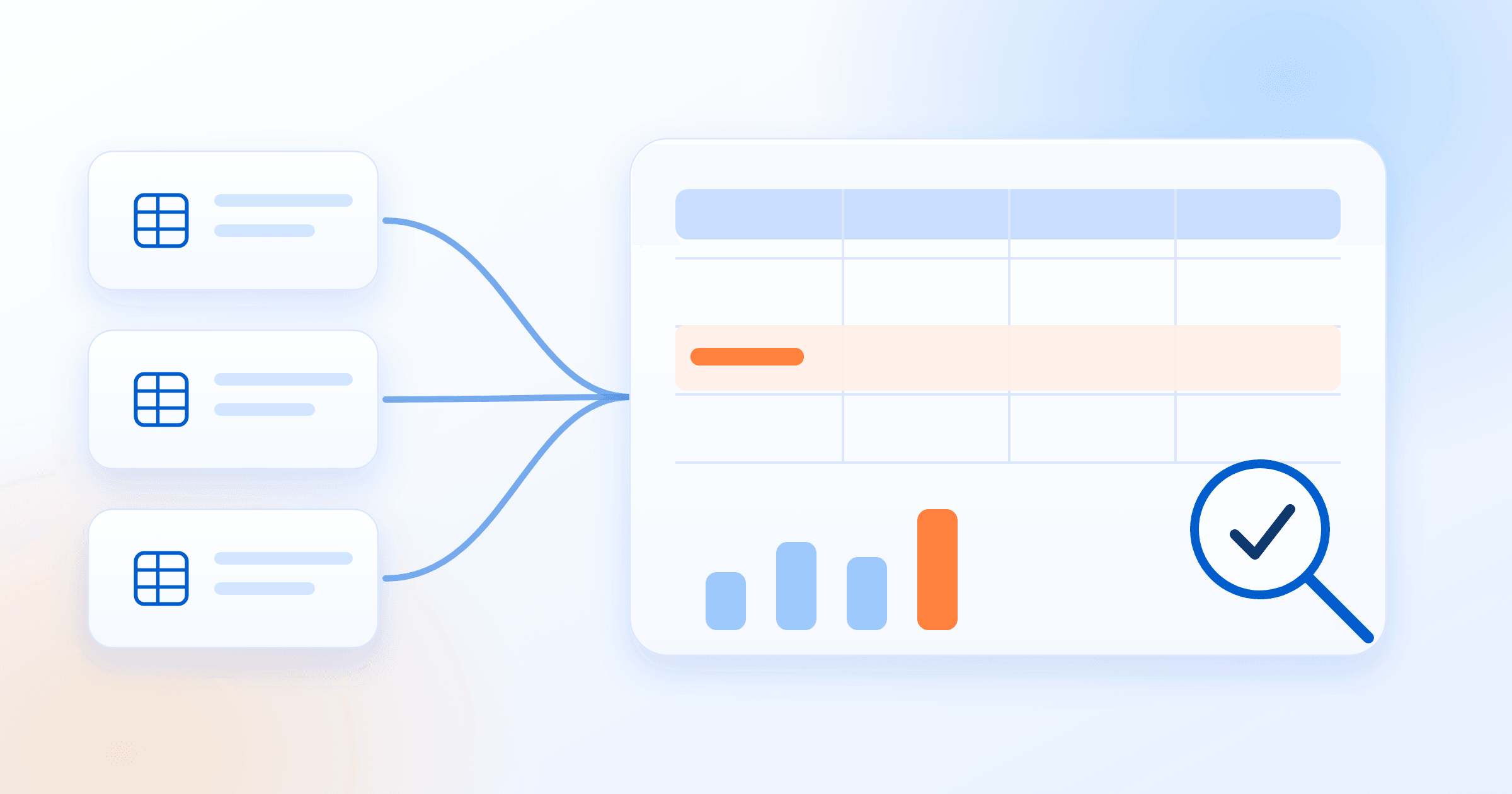
AI agents for data analysis: how an agent builds a multi-source KPI workflow
An AI agent for data analysis can combine spend, lead and opportunity files, calculate your KPIs and show where a metric changed. Follow one example from question to finding, then learn how to score agents and run a pilot.
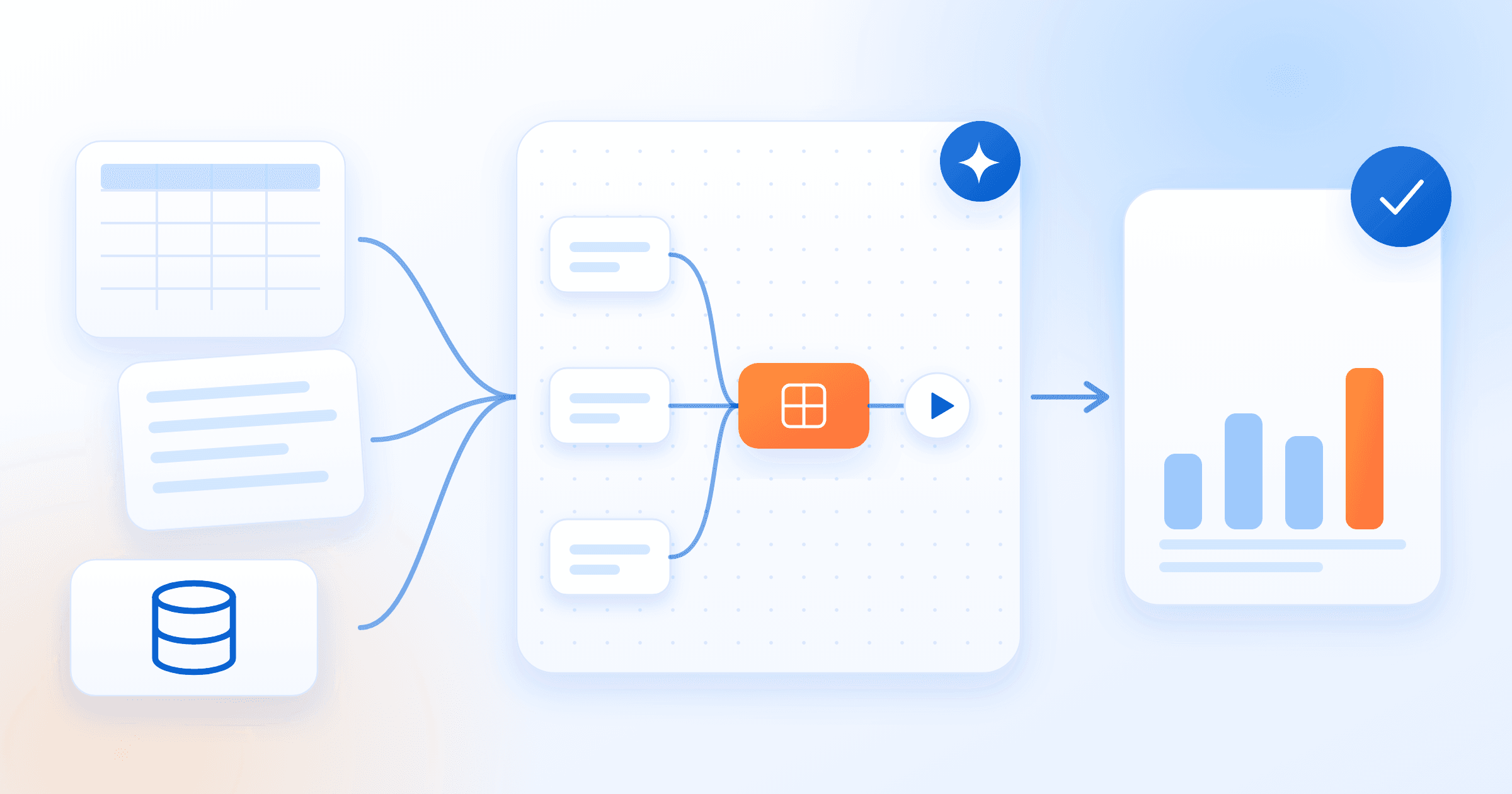
What is agentic analytics? How AI agents turn business questions into answers
Agentic analytics uses AI agents to prepare data, run analysis and check results. See how it works, how it differs from BI, and how to evaluate tools.
Informatica PowerCenter End of Life: Dates, Risks and How to Convert Your Dataflows Automatically
Standard support for Informatica PowerCenter 10.5 ended on 31 March 2026. Here is the end of life timeline, the risks of staying, and how to plan your migration to IDMC or an alternative.
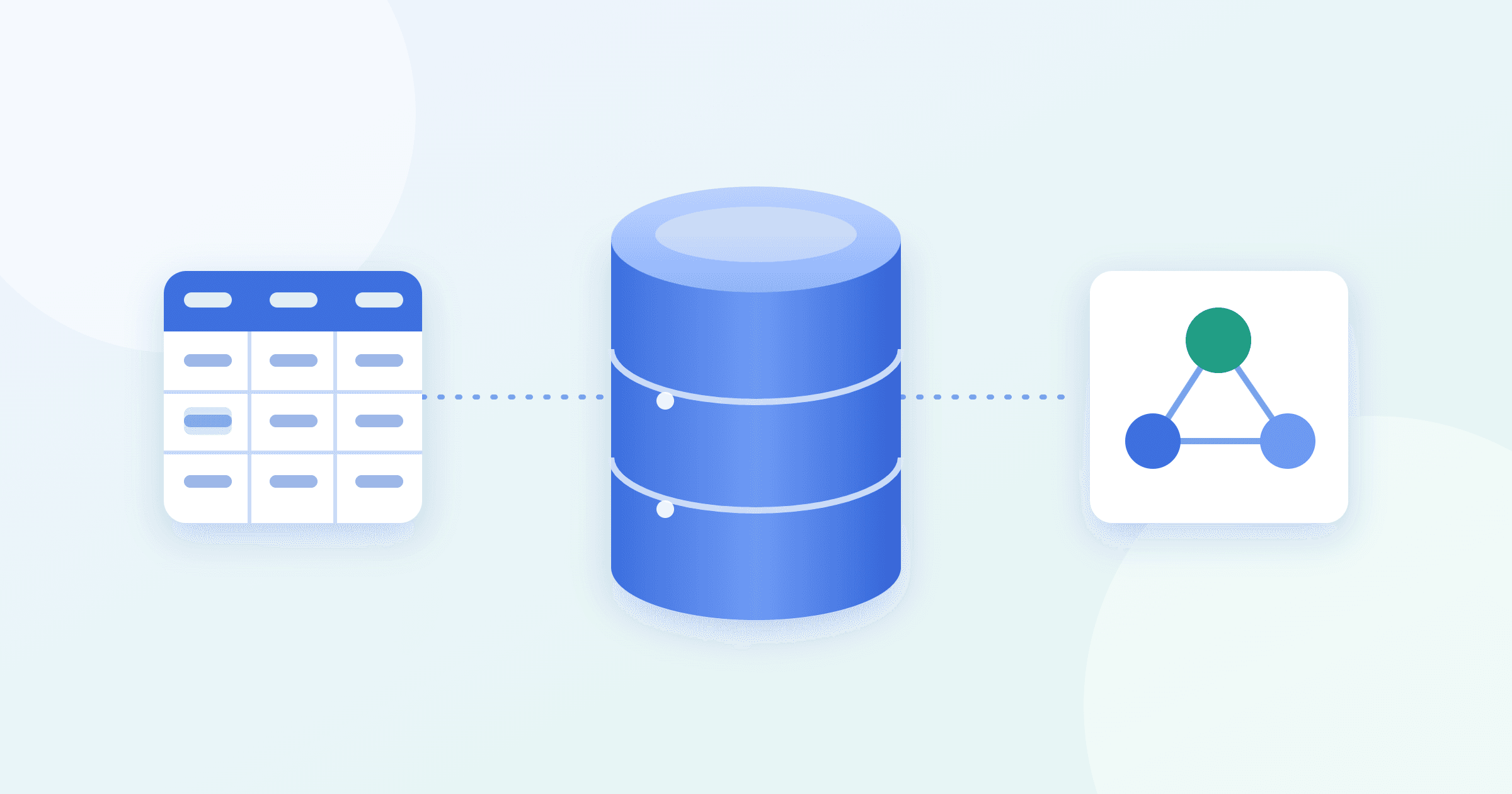
What Is a Database? Definition, Types, Examples, and How It Works
A database provides an organized way to store, access, and manage data electronically. Databases power many of the systems you use every day. These include banking, e-commerce, CRM, and enterprise applications.
10 Best EDI Tools in 2026: Features, Deployment, and Pricing
EDI tools help businesses exchange and process electronic documents with their trading partners. They translate data between different formats, validate documents, automate workflows, and connect EDI processes with business systems such as ERP and accounting platforms.
Best Data Profiling Tools in 2026: Features, Categories, and How to Choose
Data profiling tools analyze the structure, content, and relationships in your data to show what is in it, how complete and consistent it is, and where the problems are, before you migrate, integrate, or analyze it. They report things such as data types, null counts, duplicates, value ranges, patter

Top 9 Reverse ETL Tools and How to Choose The Right Tool for Your Organization
Reverse ETL tools sync cleaned, modeled data from your data warehouse into the apps your teams use every day: Salesforce, HubSpot, Google Ads, Braze, Zendesk, and more. Your warehouse already holds the best view of your customers. Reverse ETL puts that view in front of the people who act on it.
PDF Scraping: A Guide to Extracting Unstructured Data from PDFs
PDFs have quickly become the go-to format for sharing and distributing documents across various platforms since they provide a consistent viewing experience. They have revolutionized document storage and archiving with their ability to compress large files without compromising quality. Regardless of
What is API Management? Definition, Benefits & How it Works
What is API management? It's the practice of creating, securing, monitoring, and managing APIs throughout their lifecycle. APIs, or Application Programming Interfaces, let different software systems communicate and exchange data.
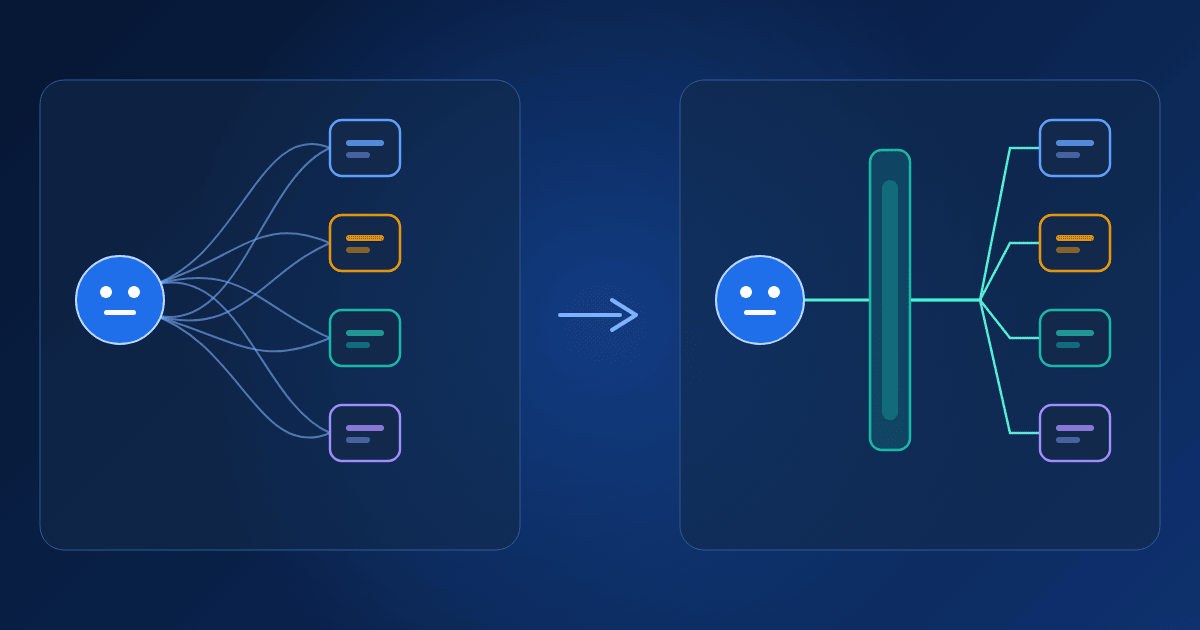
MCP vs. API: What's the Difference and When to Use Each
An API is a defined way for one piece of software to request data or actions from another. The Model Context Protocol (MCP) is an open standard that gives AI agents a consistent way to discover and use tools and data sources, so they don't need a custom integration for each one.
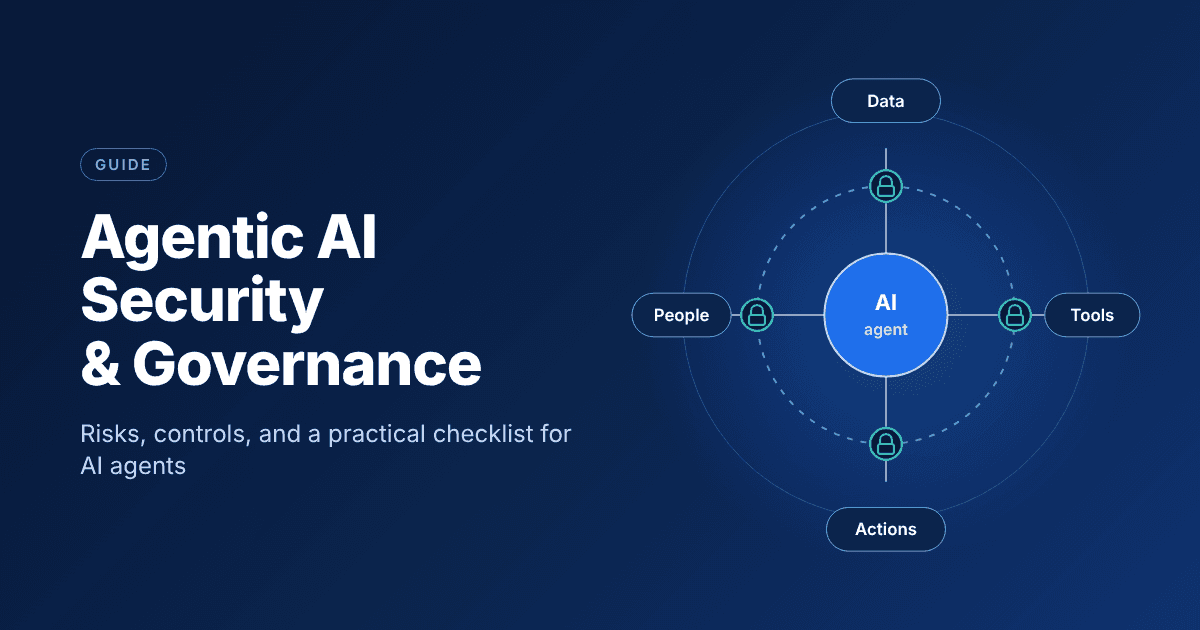
Agentic AI Security and Governance: Risks, Controls, and a Practical Checklist
Agentic AI security is the set of controls that keep AI agents from accessing, changing, or sharing more than they should. It covers who an agent acts for, which data and tools it can use, which actions need approval, and how its activity is recorded and reviewed.
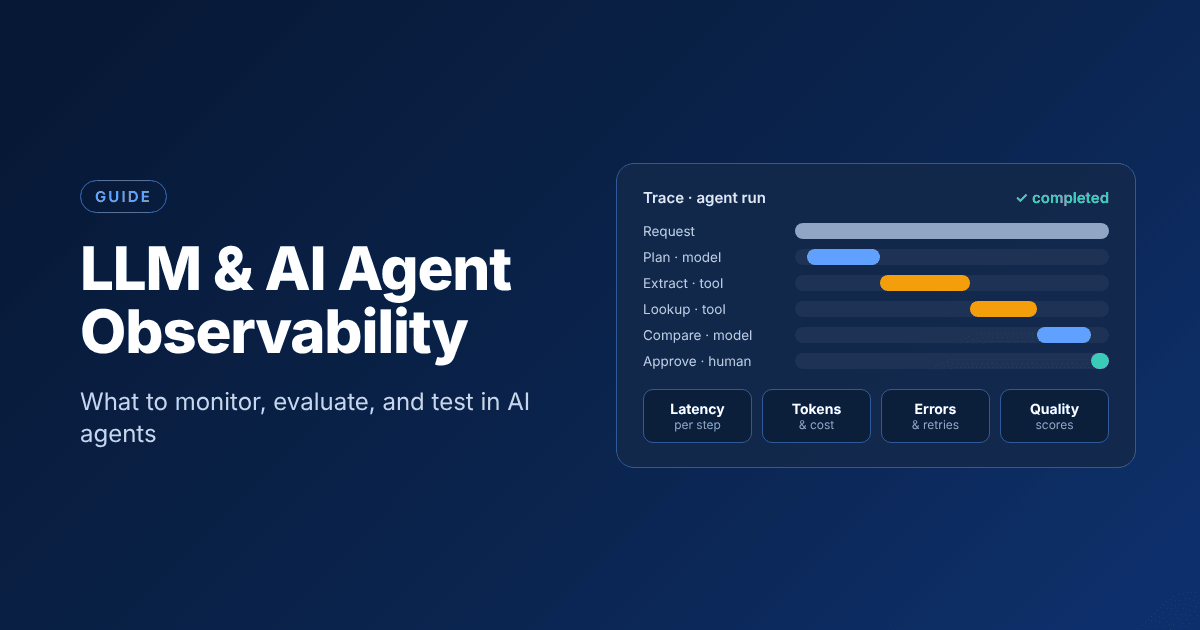
LLM and AI Agent Observability: What to Monitor, Evaluate, and Test
LLM observability is the practice of collecting and analyzing data about how a language model application or AI agent behaves, including prompts, responses, tool calls, cost, speed, and errors, so teams can find problems, measure quality, and improve results.