
Nida Fatima
Content Marketing Lead
Nida Fatima is the Content Marketing Lead at Astera, with over 8 years of experience in B2B SaaS. She writes about data integration, ETL, data migration, and API management, turning complex data topics into clear, practical guides for data teams.
Articles by Nida Fatima
40 articles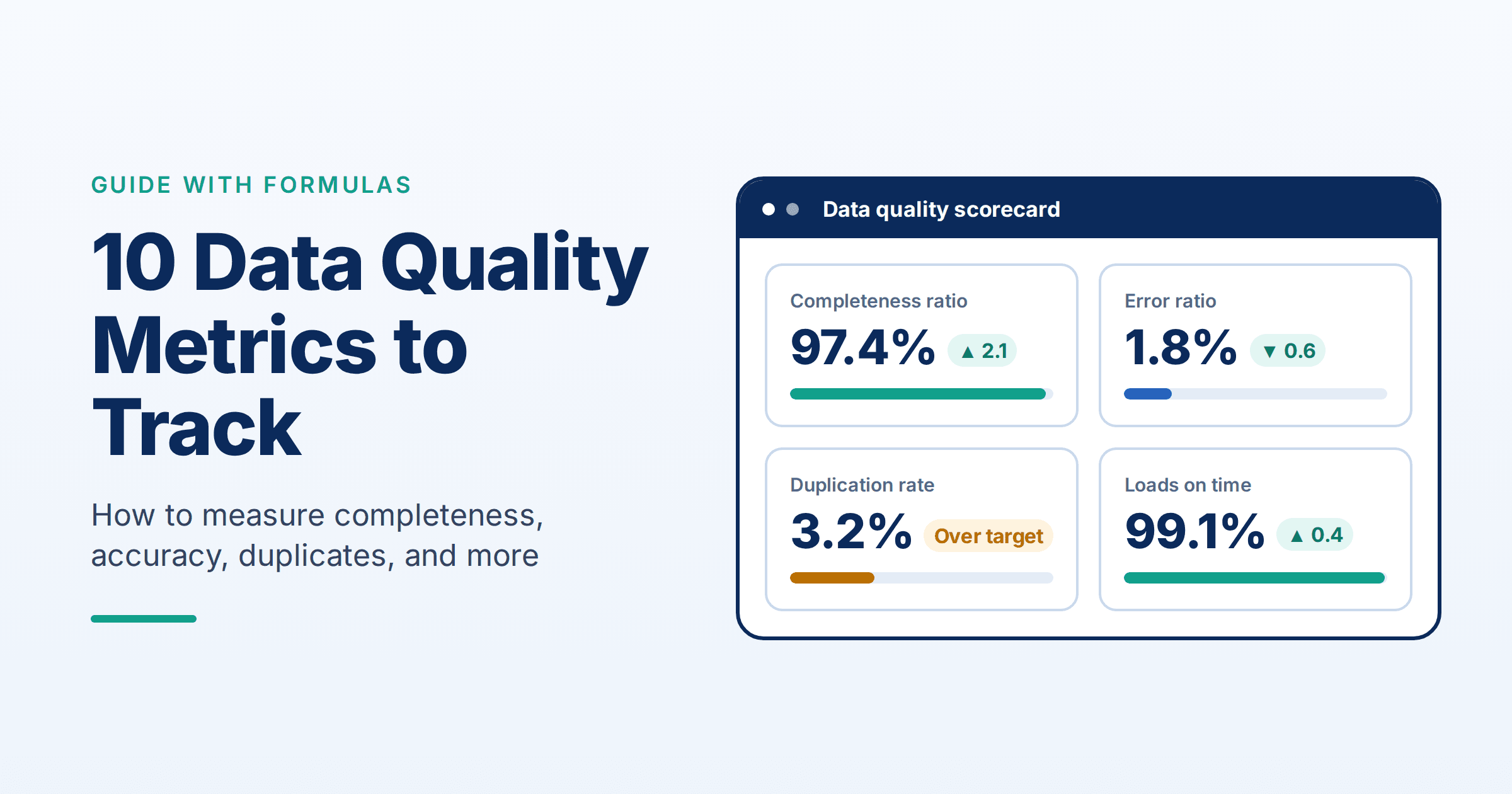
10 Data Quality Metrics to Track (With Formulas)
No matter their size, all organizations rely heavily on the data they collect and manage. This data ranges from customer information to sales records, employee performance, and more. However, if this data is inaccurate, outdated, or incomplete, it becomes more of a liability than an asset, making it more important to measure its health. To do so, they need data quality metrics relevant to their specific needs.

What Is Managed File Transfer (MFT)? How It Works, Protocols, and Use Cases
Effective and secure file transfer plays a critical role in maintaining uninterrupted workflows. Whether you want to share sensitive financial data, transmit large media files, or synchronize information across systems, a managed file transfer (MFT) solution is a required for secure data exchange. MTF ensures control, efficiency, and performance across various protocols.

What Is Data Wrangling? Definition, Steps & Examples
Data wrangling transforms data to make it compatible with the end system, as complex and intricate datasets can hinder data analysis and business processes. Data wrangling tools transform and organize data according to the target system’s requirements to make data usable for the end processes.

EDI Payments Explained: How They Work, EDI 820 and EDI vs. ACH vs. EFT
EDI Payments are crucial in facilitating secure and efficient financial transactions between businesses.

Data Fabric: What It Is, Architecture, Implementation & Benefits
What is a Data Fabric? Data fabric is an architecture that integrates different data systems and tools. It provides unified access to data stored across various locations to organize, manage, and govern it without moving it to a central database […]
Data Vault 2.0: What You Need to Know
With rising data volumes, dynamic modeling requirements, and the need for improved operational efficiency, enterprises must equip themselves with smart solutions for efficient data management and analysis. This is where Data Vault 2.0 comes into play. It supersedes Data Vault […]
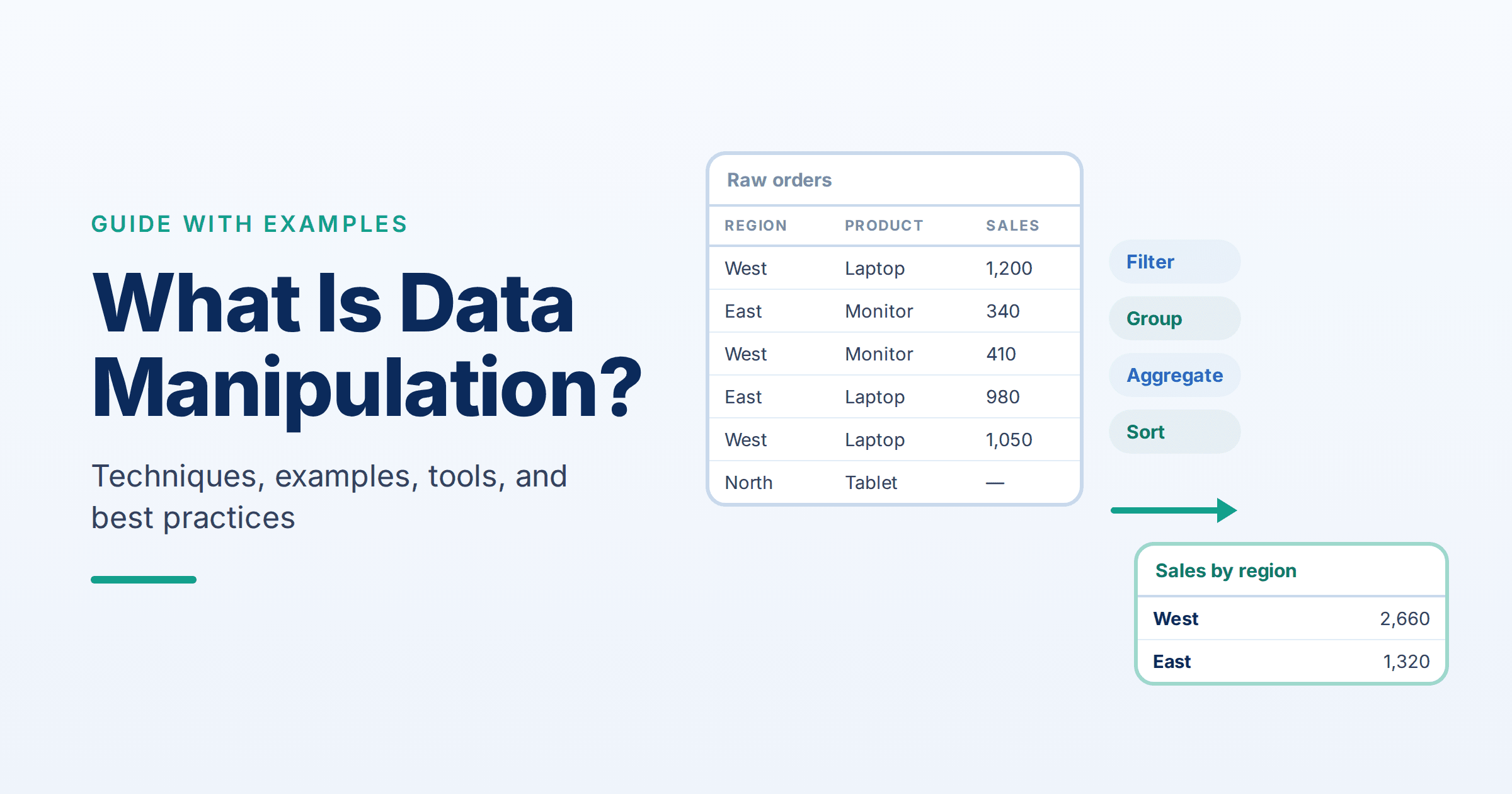
What Is Data Manipulation? Techniques, Tips, and Examples
Everything in a business is dependent on data, from strategic decision-making to day-to-day operations. However, in its raw form, data isn’t valuable, especially when a large amount of data and disparate sources are involved. This is where data manipulation comes […]
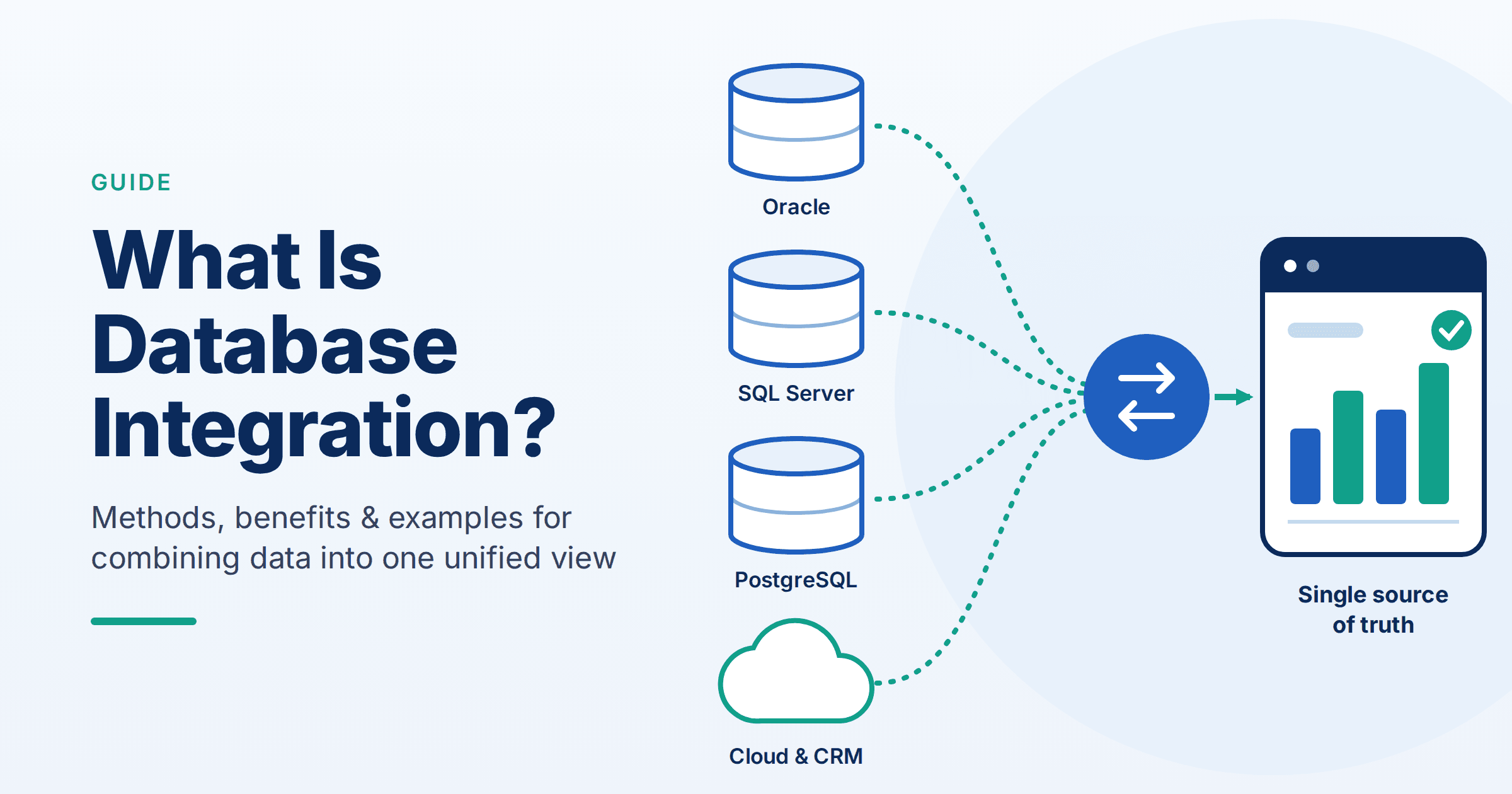
What Is Database Integration? Methods, Benefits & Examples
Every business needs an efficient and reliable method to record, update, and track data accurately. Databases are one of the most common systems businesses use to store customer data, inventory, or company information. That makes database integration necessary now, as […]
Top 15 Data Migration Tools in 2026 (Features, Pricing, Use Cases Compared)
Compare 15 best data migration tools in 2026 by features, AI capabilities, deployment, connectors, and pricing. Learn how to choose the right tool.
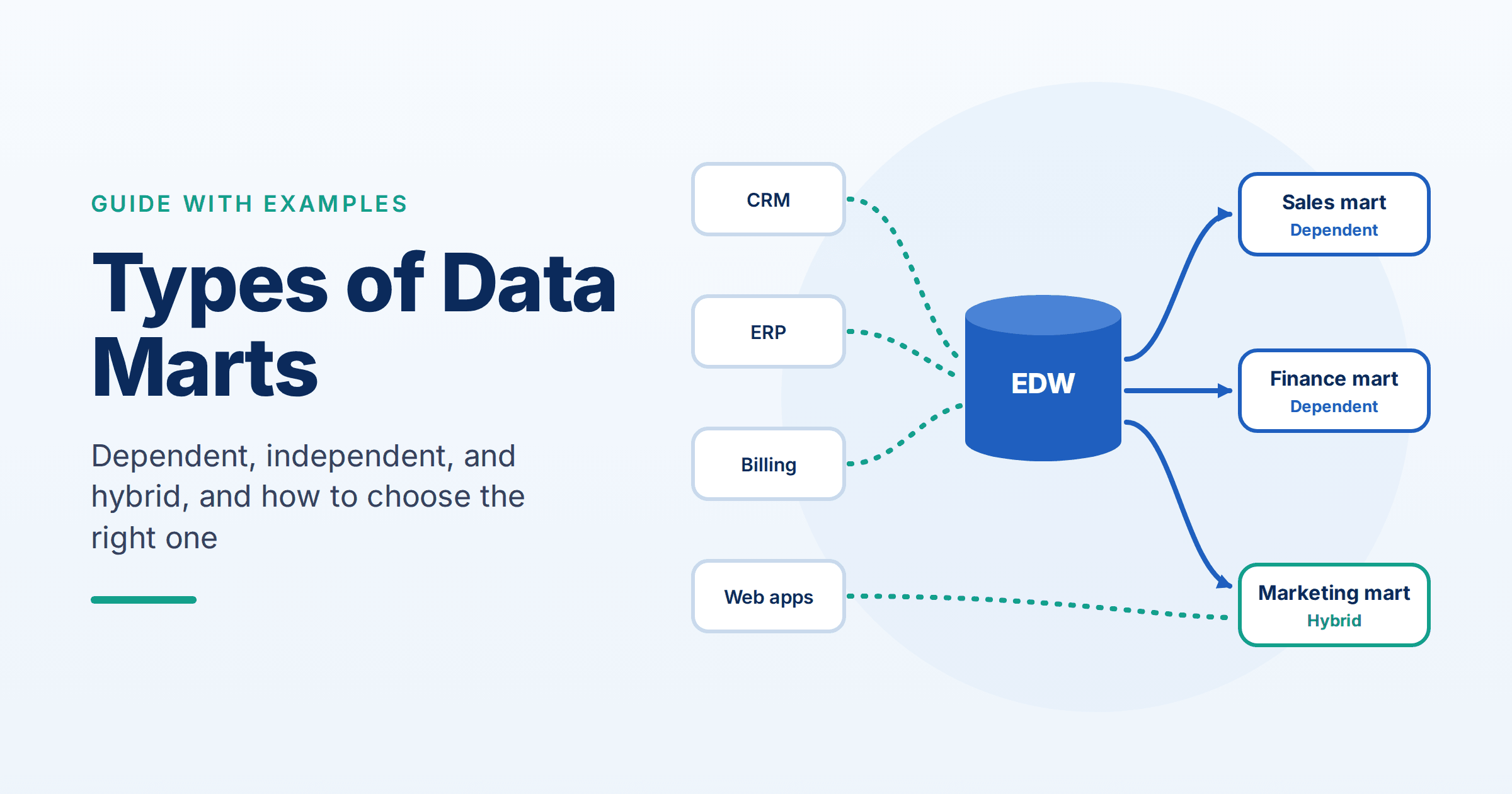
Types of Data Marts: Dependent, Independent, and Hybrid (With Examples)
Unlike a data warehouse that stores enterprise-wide data, a data mart includes information related to a particular department or subject area. For instance, a sales data mart may contain data related to products, clients, and sales only. Read this blog […]
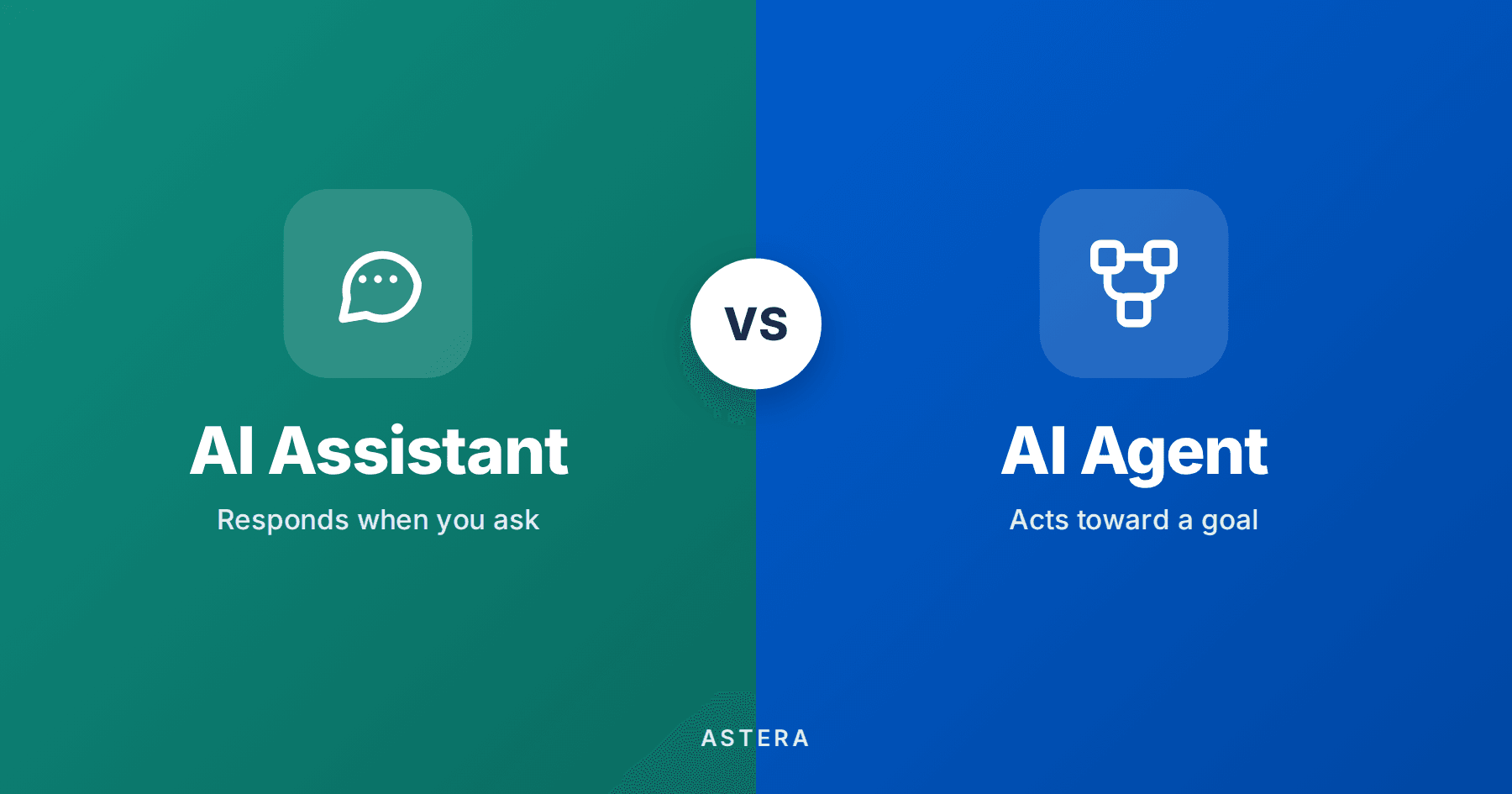
AI Agent vs. AI Assistant: Key Differences, Examples, and How to Choose
AI agent vs. AI assistant: learn how they differ in autonomy, decision-making, memory, and use cases, with real examples and tips on choosing the right one.
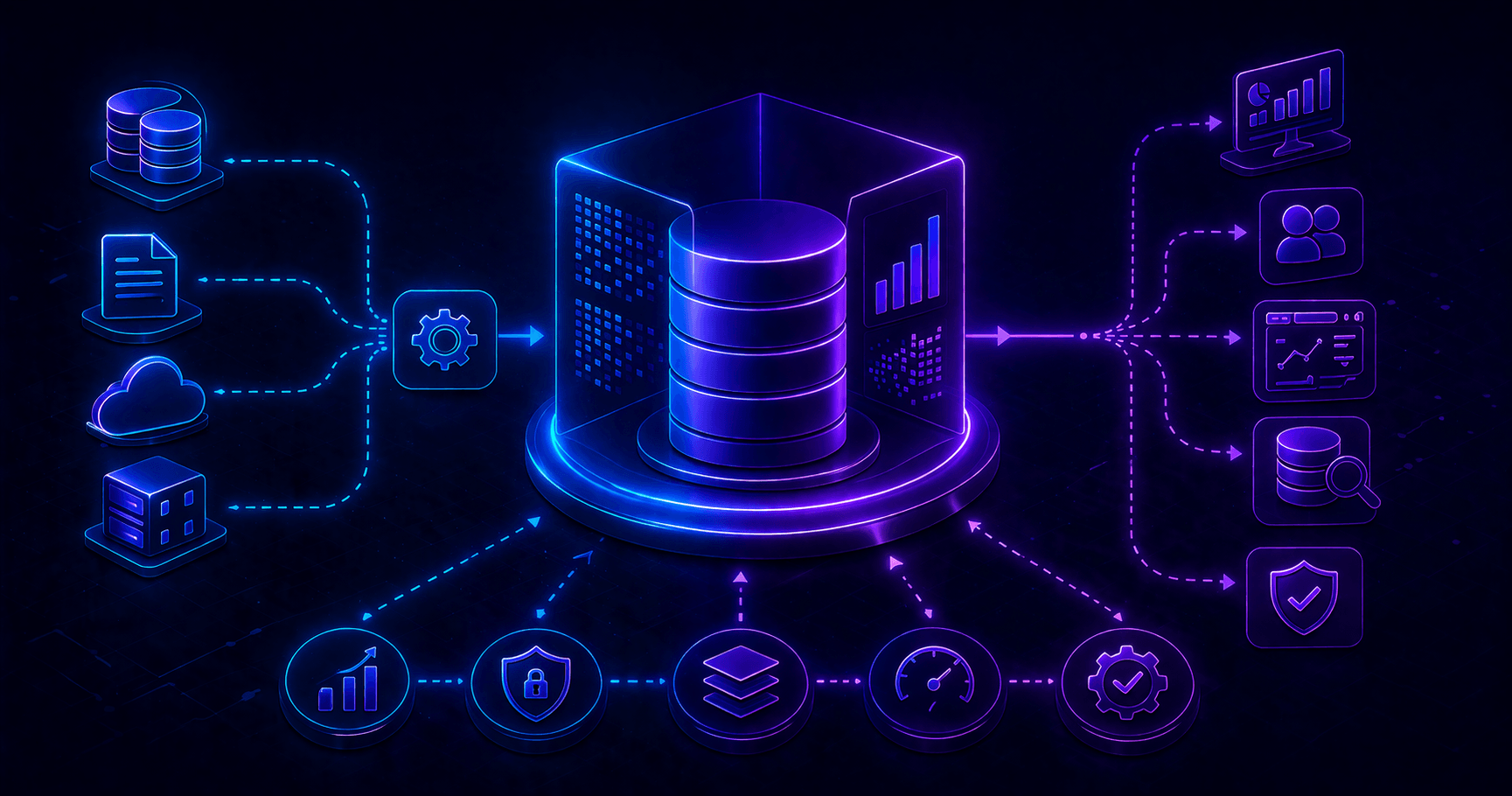
Data Mart Architecture: Definition, Types & Best Practices
A scalable data mart architecture design can reduce the risk of data loss, as well as the implementation costs and time, as it mainly focuses on a subset of data instead of complete enterprise data. Therefore, data marts are often […]